
Urban Forest Bathing: How to Practice Shinrin-yoku Without Leaving the City?
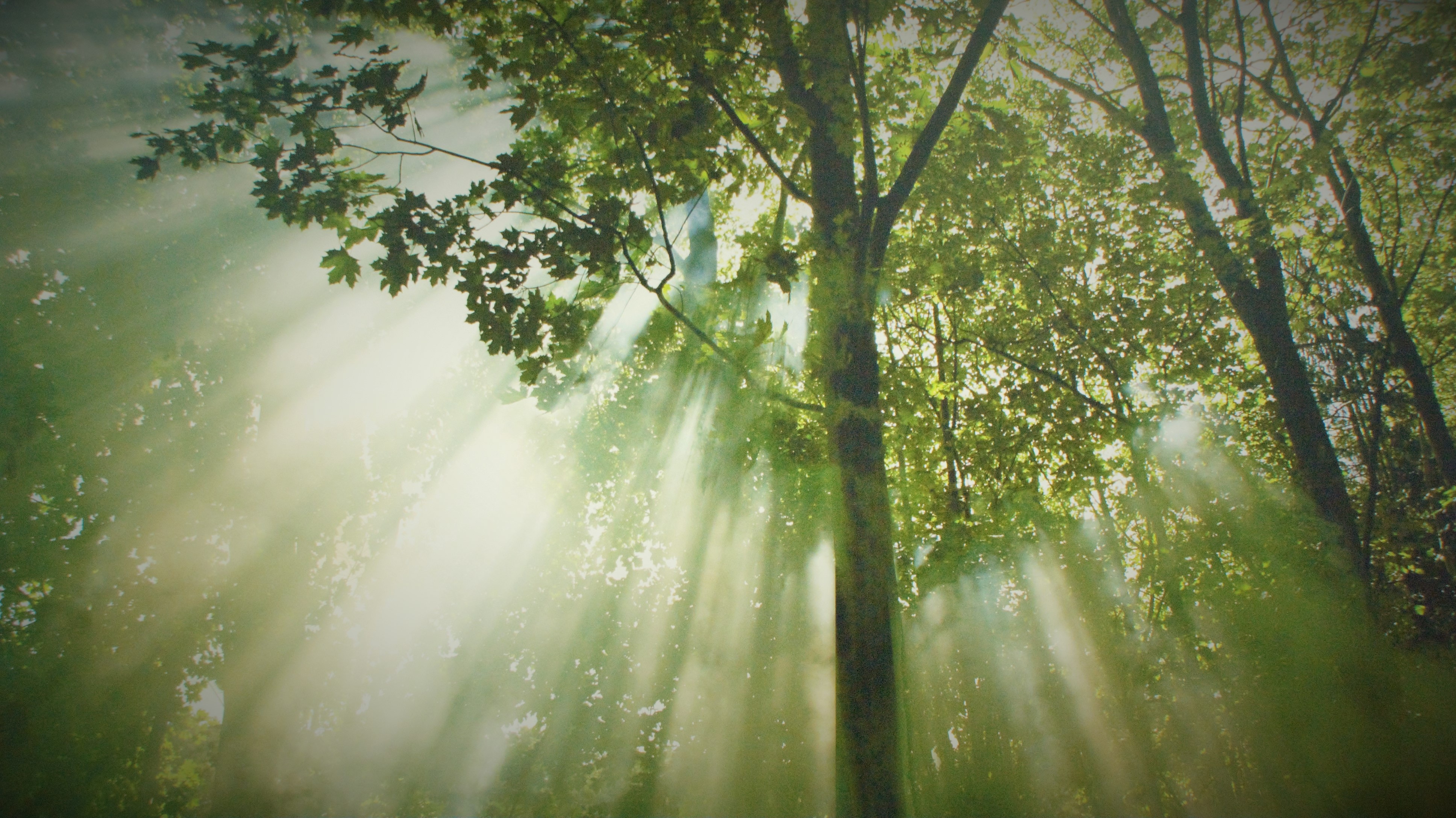
Most of us dream of escaping to the deep wilderness to breathe away from the city noise. But what if the forest is too far away, and you only have a 15-minute break at work? This is where Urban Forest Bathing comes in—a unique adaptation of the Japanese art of Shinrin-yoku, designed specifically for city dwellers.
Learn how to tap into the therapeutic power of nature using what you have at hand: a local park, a green square, or even a single tree.
What is Shinrin-yoku in an urban setting?
Traditional Japanese Shinrin-yoku (森林浴) emerged in the 1980s as a way to combat “civilization stress.” While its foundation lies in deep immersion in a dense forest, modern science confirms: nature knows no administrative boundaries.
Urban forest bathing is a mindfulness practice that teaches us that health-boosting phytoncides and soothing greenery are closer than we think. It is a method for anyone who feels overstimulated but cannot afford a long trip out of town.
How to practice forest bathing in the city: 5 steps
You don’t need a sprawling wilderness to reap the health benefits. The key is changing how you look at urban greenery.
1. Find your “Green Island”
This could be a local park, a botanical garden, or even an old square between apartment blocks. All that matters is that there is at least one tree or a patch of grass.
2. Digital Detox (even for a moment)
Urban stimuli are aggressive. Muting your phone is the first signal to your nervous system that it is time for recovery.
3. Slow down to nature’s pace
In the city, we are always rushing. During a forest bath, walk so slowly that you could almost count your steps. Stop by a tree that catches your eye.
4. Activate 5 senses in the concrete
Focusing on small details allows you to “switch off” the city noise:
- Sight: Look at the fractals in the leaves or the texture of the bark.
- Sound: Try to isolate the sound of rustling leaves from the hum of the street.
- Touch: Feel the coolness of a stone or the roughness of a trunk.
- Smell: Inhale the scent of the earth after rain or freshly cut grass.
5. Use the “Invitations”
If your mind is still circling your to-do list, use ready-made mindfulness exercises (invitations) to help you “anchor” yourself in the here and now.
Why is it worth it? Benefits confirmed by science
Even brief contact with urban greenery triggers real changes in your body:
- Attention Restoration (ART): According to Attention Restoration Theory, contact with nature (even in a park) allows the part of the brain responsible for focus and work-related concentration to rest.
- Cortisol drop: Just 15–20 minutes of looking at greenery lowers levels of the stress hormone.
- Improved mood: Urban forest bathing reduces feelings of anxiety and the mental fatigue that comes from living in high-density areas.
Your daily dose of the forest (without leaving town)
Urban forest bathing isn’t a hobby for the few - it’s a mental hygiene tool for everyone. Don’t wait for a vacation to feel peace. The forest can start at your bus stop or right outside your window.
Remember: The best forest is the one you can visit today.
Start Your Practice with Our Mindfulness Cards
We know that finding focus in the city can be a challenge. That’s why we’ve created a special series of exercises designed to guide you every step of the way. Each card features one simple task that you can practice in any park or green space.
🌿 Download free Urban Forest Bathing Cards and find your peace in the heart of the city.