The Crocus Observer’s Guide — How to Admire Nature Without Damaging It
🌸 The Crocus Observer’s Guide — How to Admire Nature Without Damaging It
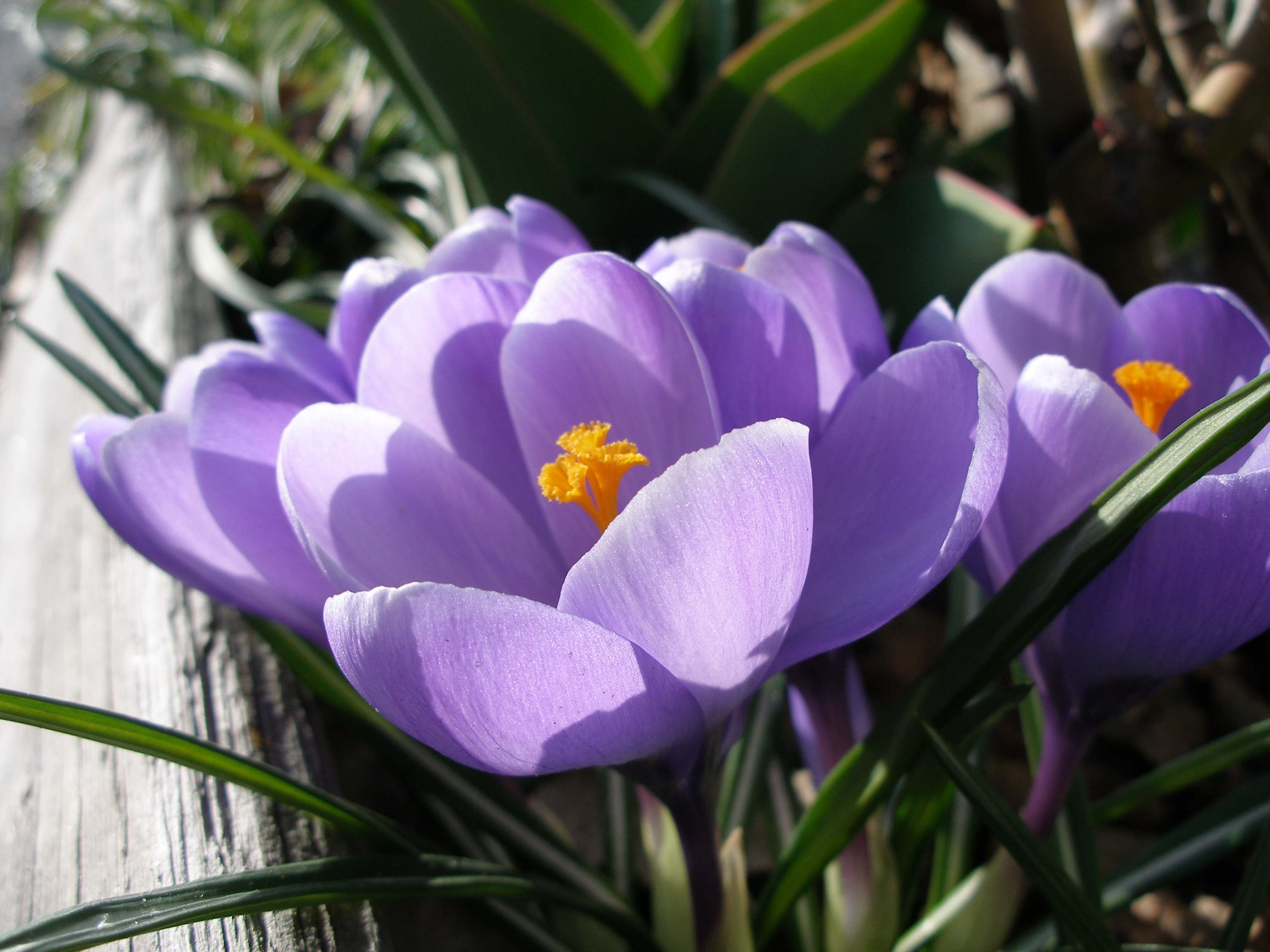
Early spring has its own distinctive colours: whites, violets, lilacs, and soft bands of crocuses appearing in parks, squares, and other green spaces. It is a small natural spectacle that draws the eye and invites wonder. And that is exactly why we need simple guidelines that help preserve this beauty.
The Domek na Drzewie project encourages a mindful connection with nature - calm, conscious, and responsible. “The Crocus Observer’s Guide” fits naturally within that philosophy.
If you would like to deepen this way of being in nature, you can also explore the seasonal materials and mindfulness practices.
🌿 Why does this matter at all?
Crocuses are delicate plants. Even a light step can damage their leaves, flowers, or the bulbs hidden underground, which may weaken their growth in the following season.
Their greatest threat is not the weather — but human carelessness.
📘 The Crocus Observer’s Guidelines
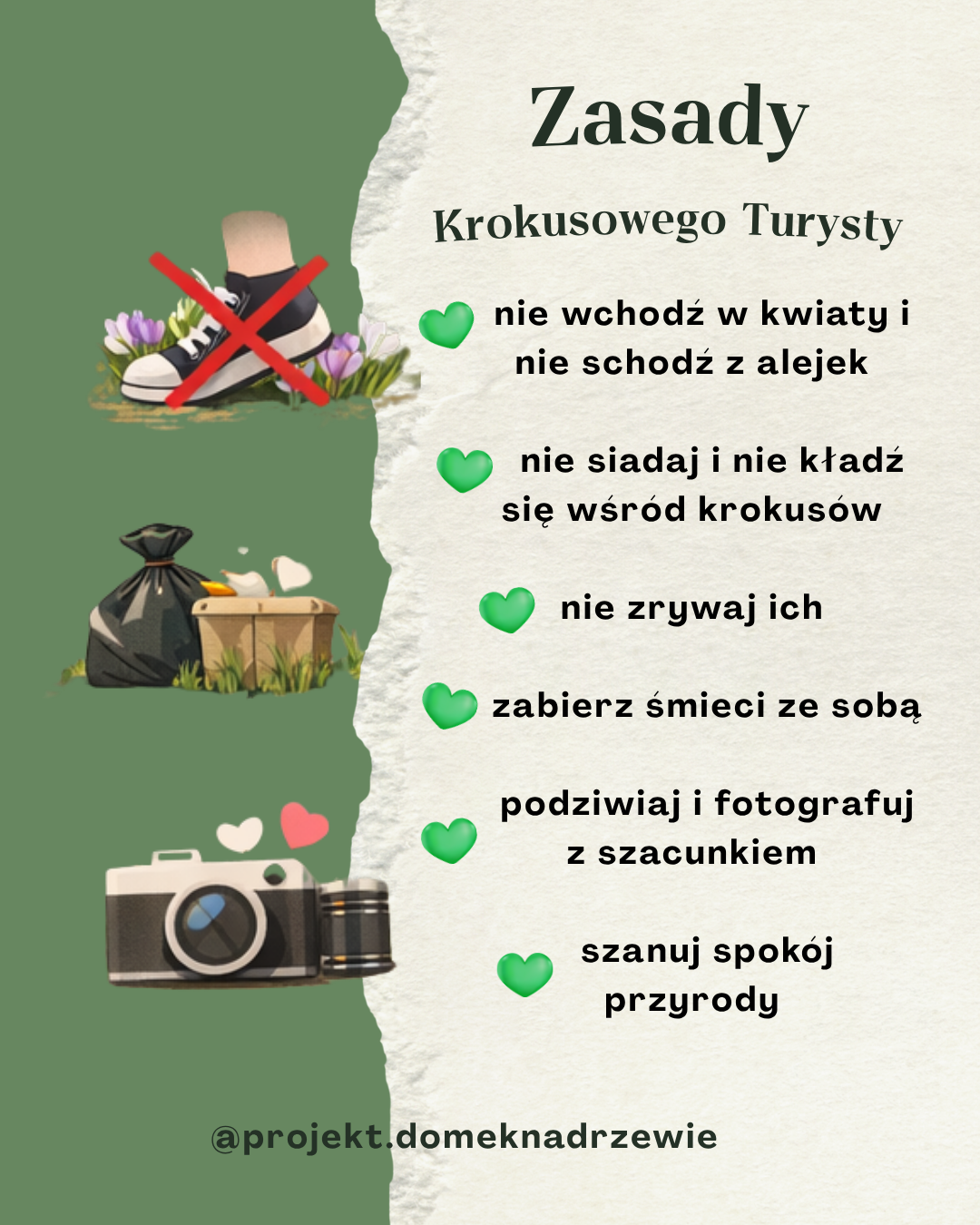
1. Stay on the path
Do not step onto flower beds, lawns, or places where crocuses are growing. Even if it seems that “nothing is growing here,” young leaves and bulbs may be very close by.
This is the basic rule for protecting these flowers.
2. Do not touch, sit, or lie down among them
A photo “in the middle of the crocuses” comes at a cost.
These plants are fragile — pressure can damage them for a long time.
3. Do not pick crocuses
They are not souvenirs.
Instead, take a photo and leave them where they grow.
4. Take your litter with you
It is simple: if you brought something with you, take it back with you.
Nature does not have a cleaning system.
5. Be mindful of others
Respond calmly when you see someone damaging nature.
Good habits spread just as easily as bad ones — they just need an example.
6. Choose calm instead of crowds
Crocuses are best enjoyed without rushing. Sometimes it is worth coming at a quieter time, pausing for a moment, and simply looking.
Less crowding means less pressure on nature and a better experience for you.
🌱 The philosophy of the crocus observer
This is not a list of prohibitions.
It is a way of seeing:
- I notice → I do not interfere
- I admire → I do not possess
- I am present → I do not dominate
This approach allows you to truly be with nature, not just pass by it.
In a similar spirit, the Urban Forest Bathing series offers short practices inspired by observing nature and following the rhythm of the year.
🌼 In closing
Crocuses do not need our help to bloom.
They need only one thing: for us not to disturb them.
And then they will return again next spring.
You can also explore this seasonal resource: The Crocus Tourist’s Guide.